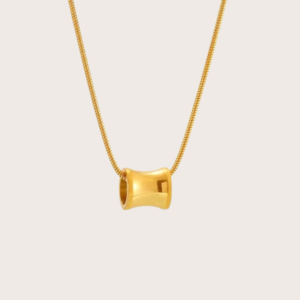
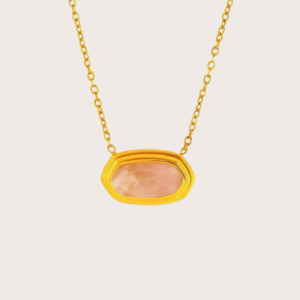
Not all jewelry is created with everyday life in mind, and this is the core reason why some pieces naturally fit into daily routines while others remain reserved for occasional wear. When people think about jewelry, they often focus on appearance first—how a piece looks in the moment—without considering how it performs over time. However, daily wear introduces constant movement, contact with skin, exposure to air, and interaction with clothing. Jewelry that thrives under these conditions is intentionally designed to balance beauty with practicality.
Pieces that work well for everyday wear are often subtle in design, moderate in size, and thoughtfully constructed. They do not rely on bold shapes or excessive detailing that can catch, scratch, or become uncomfortable throughout the day. Instead, they emphasize smooth finishes, secure settings, and proportions that align with natural body movement. This is why certain jewelry feels effortless from morning to night, while other pieces, although beautiful, quickly become inconvenient. The difference lies not in quality alone, but in how well the design supports real life.
Comfort is one of the most defining factors in determining why some jewelry works better for daily wear than others. A piece may be visually stunning, but if it feels heavy, restrictive, or irritating, it will rarely become part of a daily routine. Jewelry that is worn every day must feel almost invisible. It should rest naturally on the skin, move easily with the body, and require no constant adjustment.
This is especially important for items like earrings and rings, which remain in close contact with sensitive areas for long periods. Lightweight earrings that do not pull on the earlobe, and rings with smooth edges that do not press into adjacent fingers, are far more likely to be worn consistently. Comfort also extends to how jewelry interacts with daily activities. Pieces that allow you to work, move, and relax without distraction are the ones that integrate seamlessly into your life. Over time, comfort becomes more valuable than visual impact, shaping your preferences in subtle but lasting ways.
Another major reason why some jewelry works better for daily wear than others is durability. Everyday jewelry is exposed to far more than occasional pieces. It encounters friction from clothing, contact with surfaces, and environmental factors like humidity and temperature changes. Materials and construction methods play a crucial role in determining how well a piece withstands these conditions.
Stronger metals such as sterling silver and solid gold tend to perform better over time, especially when crafted with proper thickness and structure. Delicate designs, while beautiful, may not handle repeated stress as effectively. Clasps, links, and stone settings must also be secure enough to endure constant movement. Durability does not mean sacrificing elegance; it means ensuring that elegance lasts. Jewelry that is built to endure daily life maintains its appearance longer, reducing the need for frequent repairs or replacements and making it a more reliable choice for everyday use.
Design simplicity is often what separates everyday jewelry from occasional statement pieces. Simple designs are not boring—they are adaptable. Jewelry that works well for daily wear can transition effortlessly between different outfits, occasions, and moods. This versatility is what makes getting dressed easier and more intuitive.
A minimal necklace, for example, can complement both structured and relaxed clothing without clashing. Small earrings can enhance your look without competing with other elements of your style. When jewelry is overly complex or highly specific in design, it becomes harder to pair with multiple outfits. This limits its usability and often leads to it being worn less frequently.
Versatile jewelry creates consistency in your personal style. It acts as a foundation that supports variation in clothing rather than restricting it. Over time, these pieces become reliable choices that you can depend on without hesitation. This reliability is a key reason why certain jewelry naturally becomes part of daily wear while others remain occasional.
Lifestyle is one of the most overlooked factors when considering why some jewelry works better for daily wear than others. A piece that is perfect for one person may not suit another simply because their daily activities are different. Someone with an active routine may need jewelry that is more secure and resistant to movement, while someone with a more relaxed lifestyle may have greater flexibility in their choices.
Jewelry that aligns with your daily habits will always feel more natural to wear. If you frequently use your hands, rings need to be low-profile and durable. If you are constantly on the move, necklaces should be secure and resistant to tangling. When jewelry matches your lifestyle, it becomes effortless. When it does not, even the most beautiful piece can feel inconvenient.
Understanding your own routine helps you make better decisions when choosing everyday jewelry. Instead of selecting pieces based solely on appearance, you begin to prioritize functionality and comfort. This shift leads to a collection that truly supports your daily life rather than complicating it.
Over time, the jewelry you wear every day becomes more than just an accessory. It develops a sense of familiarity and emotional connection that occasional pieces rarely achieve. This is another reason why some jewelry works better for daily wear than others—it becomes part of your identity. The pieces you wear consistently begin to feel personal, almost irreplaceable.
Long-term wearability depends on a combination of comfort, durability, and versatility, but it also involves how a piece makes you feel. Jewelry that fits seamlessly into your life gains meaning through repetition. It is present during ordinary moments, gradually becoming associated with your daily experiences and personal growth.
This emotional connection reinforces the practicality of everyday jewelry. When a piece feels both comfortable and meaningful, you are more likely to care for it, maintain it, and continue wearing it over time. In this way, the difference between jewelry that works for daily wear and jewelry that does not goes beyond design—it becomes a reflection of how well a piece integrates into your life, both physically and emotionally.

 Optimized by Seraphinite Accelerator