Jewelry has the power to enhance natural beauty, but only when it works in harmony with the wearer. One of the most overlooked aspects of choosing jewelry is skin tone. While trends and personal taste play important roles, understanding how jewelry interacts with your natural complexion can completely change how a piece looks on you.
Learning how to choose jewelry based on skin tone helps you select pieces that feel effortless and flattering rather than distracting. When the metal color, gemstone hue, or finish complements your skin tone, the jewelry feels integrated—almost as if it belongs there. Instead of standing out awkwardly, it enhances your natural glow and brings balance to your overall appearance.

Before choosing jewelry based on skin tone, it’s important to understand the difference between skin tone and undertone. Skin tone refers to the surface color of your skin, which can change with sun exposure or seasons. Undertone, however, is the subtle hue beneath the surface and remains consistent throughout your life.
Undertones are generally categorized as warm, cool, or neutral. These undertones influence how metals and colors interact with your skin. Jewelry that aligns with your undertone tends to look more natural, harmonious, and flattering, while mismatched tones can appear harsh or dull.
Warm skin tones typically have undertones of gold, peach, or yellow. People with warm undertones often notice that their skin has a natural warmth and richness that pairs beautifully with certain metals and colors.
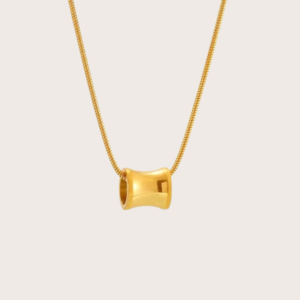
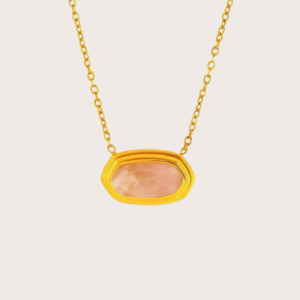
Gold jewelry tends to enhance warm skin tones effortlessly. Yellow gold, rose gold, and warm-toned gemstones complement the natural glow of warm complexions, making the skin appear more luminous and balanced. Jewelry with earthy or rich colors often feels more natural on warm undertones, blending seamlessly into the wearer’s overall look.
Minimalist gold jewelry is especially effective for warm skin tones because it highlights warmth without overwhelming the complexion.
Cool skin tones usually have undertones of pink, red, or blue. Jewelry choices for cool undertones often benefit from contrast rather than warmth. Metals with cooler finishes tend to bring clarity and brightness to the skin.
Silver jewelry, white gold, and platinum are often flattering choices for cool skin tones. These metals enhance the natural coolness of the complexion, creating a crisp and refined appearance. Jewelry that reflects light softly rather than warmly tends to work best for cool undertones.
When styled thoughtfully, cool-toned jewelry creates elegance without overpowering the natural beauty of the skin.


Neutral skin tones are often considered the most versatile because they balance warm and cool undertones. If you have a neutral undertone, you may find that both gold and silver jewelry look equally flattering on you.
This versatility allows for more freedom in jewelry choices. Neutral skin tones can experiment with mixed metals, layered styles, and a wider range of gemstone colors without losing harmony. Jewelry choices can be guided more by personal style than strict rules, making neutral undertones ideal for those who enjoy variety.
Neutral skin tones often shine when jewelry feels balanced and intentional rather than extreme in any direction.
Beyond metal color, the finish and texture of jewelry also influence how it interacts with skin tone. Highly polished jewelry reflects light sharply, while matte or brushed finishes create a softer effect.
For some skin tones, softer finishes feel more harmonious, especially in everyday wear. Matte gold, brushed silver, or satin textures tend to blend gently with the skin, making jewelry feel more natural and wearable. Texture can subtly balance contrast and warmth without relying solely on color.
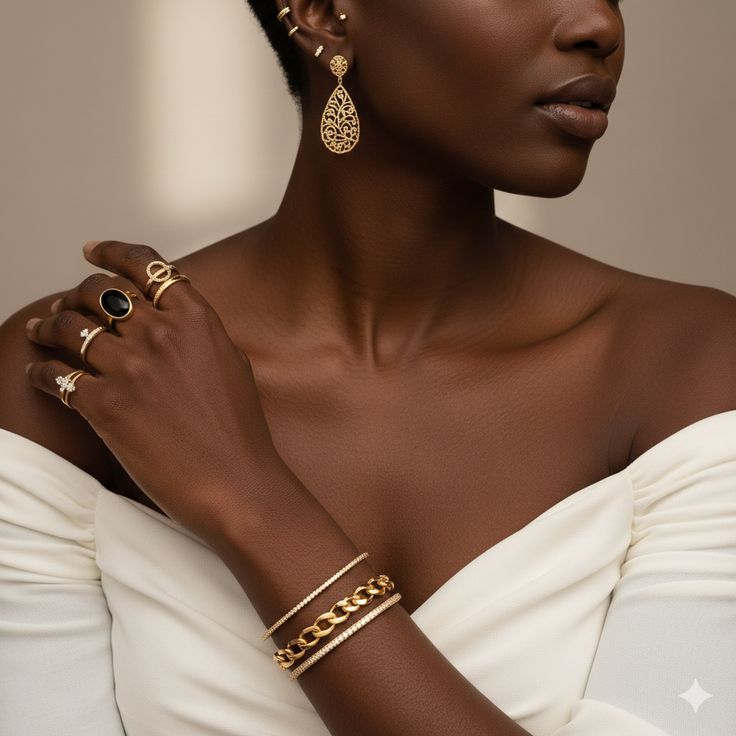
Gold jewelry deserves special attention because of its popularity and timeless appeal. The way gold looks on the skin can vary significantly depending on undertone.
On warm skin tones, gold enhances natural warmth and creates a seamless visual flow. On cool skin tones, softer gold finishes or lighter yellow gold can provide contrast without clashing. Neutral skin tones can wear gold effortlessly in almost any shade.
This adaptability is why gold jewelry remains a staple across cultures and styles. Choosing the right shade and finish ensures gold feels flattering rather than overpowering
Beyond metal color, the finish and texture of jewelry also influence how it interacts with skin tone. Highly polished jewelry reflects light sharply, while matte or brushed finishes create a softer effect.
For some skin tones, softer finishes feel more harmonious, especially in everyday wear. Matte gold, brushed silver, or satin textures tend to blend gently with the skin, making jewelry feel more natural and wearable. Texture can subtly balance contrast and warmth without relying solely on color.
One of the main goals of choosing jewelry based on skin tone is enhancing your natural glow. Jewelry should reflect light in a way that complements your complexion rather than dulling it.
When jewelry aligns with your undertone, the skin appears brighter and more even. This effect is often subtle but noticeable, especially in natural lighting. Jewelry becomes an enhancer rather than a distraction, supporting the overall harmony of your appearance.
Daily wear jewelry benefits most from skin tone awareness. Because these pieces are worn repeatedly, they should feel natural and comfortable against the skin.
Minimalist earrings, delicate necklaces, and simple rings designed in the right metal tone tend to become everyday favorites. Over time, these pieces feel inseparable from personal style because they consistently complement the wearer’s complexion.
While metals play a major role, gemstones also interact with skin tone in meaningful ways. The color intensity and temperature of gemstones can either enhance or clash with undertones.
Warm skin tones often pair well with rich, earthy gemstone colors, while cool skin tones tend to look striking with cooler, clearer hues. Neutral skin tones have the flexibility to explore both ends of the spectrum. The key is balance—choosing gemstones that echo rather than fight your natural coloring.
Skin tone guidelines are helpful, but they are not strict rules. Personal style, emotional connection, and comfort should always be considered alongside technical advice.
Some people intentionally choose contrast because it reflects their personality. Others prefer harmony because it feels calming and cohesive. The most important factor is how jewelry makes you feel when you wear it.
Understanding how to choose jewelry based on skin tone gives you a foundation—not a limitation.

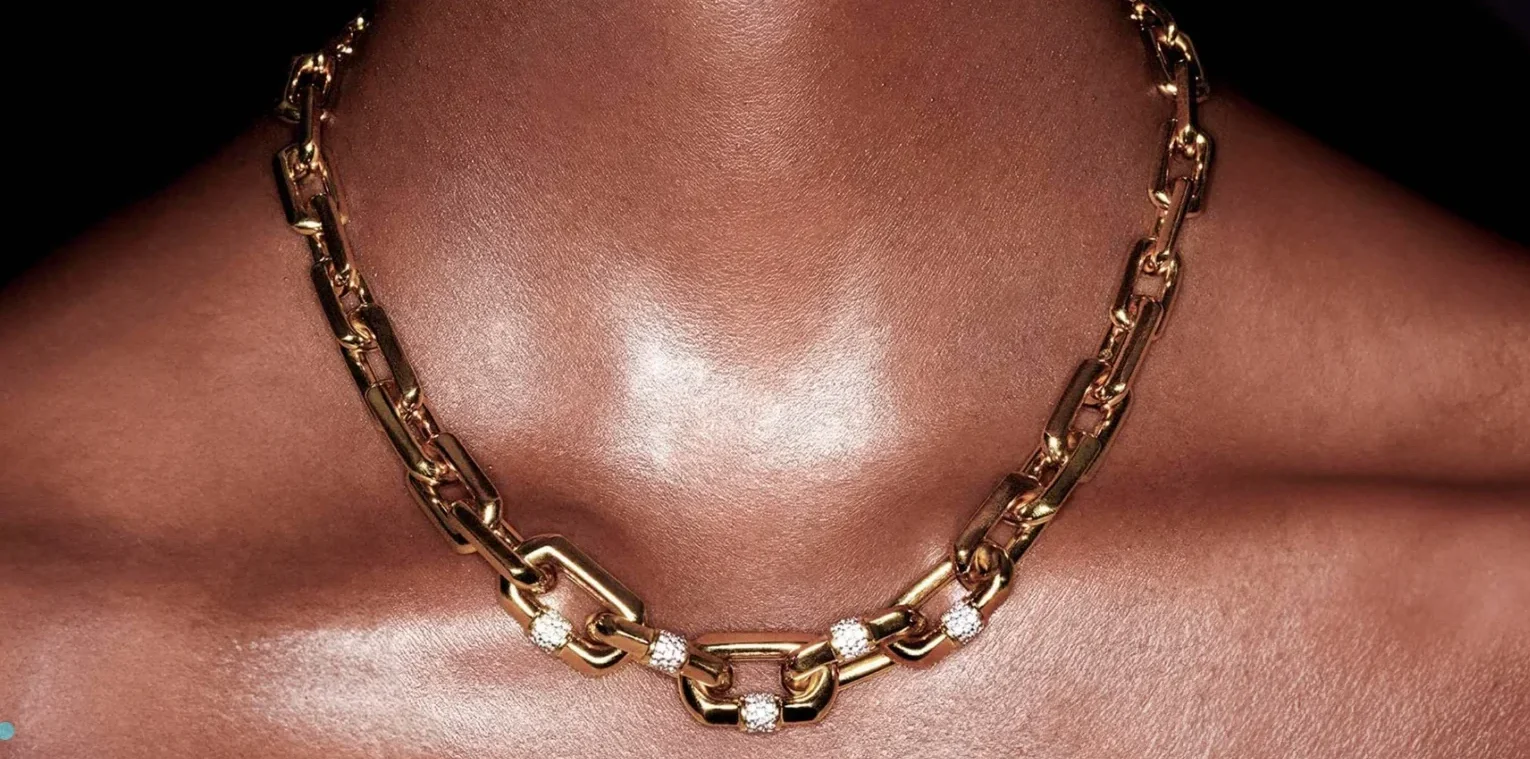
Building a jewelry collection based on skin tone starts with a few core pieces that feel universally flattering. Over time, you can expand with variety while maintaining harmony.
A thoughtful collection reflects both knowledge and intuition. It evolves with experience and personal growth, allowing jewelry to remain relevant and meaningful.
When jewelry complements your skin tone, it often boosts confidence subtly. You may not consciously notice why a piece feels right, but the harmony it creates influences how you carry yourself.
This confidence is not about perfection—it’s about alignment. Jewelry that works with your natural features allows you to focus on presence rather than appearance.
Shopping for jewelry becomes easier when you understand what naturally works for you. Instead of second-guessing purchases, you develop trust in your choices.
This clarity saves time, reduces impulse buying, and leads to a more cohesive jewelry collection.
Learning how to choose jewelry based on skin tone is about understanding harmony, not limitation. When jewelry works with your natural complexion, it enhances beauty quietly and effortlessly.
The best jewelry choices feel intuitive, balanced, and personal. They reflect who you are rather than what is trending. When metal, texture, and tone align with your skin, jewelry becomes more than an accessory—it becomes a natural extension of you.

 Optimized by Seraphinite Accelerator