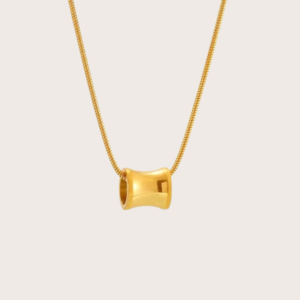
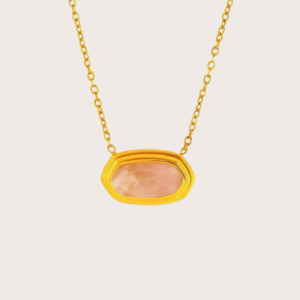
There is a certain type of jewelry that immediately captures attention. These are the pieces that feel almost untouchable—bold designs, dramatic proportions, intricate craftsmanship that seems better suited for display than daily life. Jewelry you admire often exists in a visual space rather than a practical one. You appreciate it for its artistry, its uniqueness, and the emotional reaction it creates the moment you see it. These pieces may reflect high fashion trends, conceptual design, or exceptional craftsmanship that demands stillness rather than movement.
Admired jewelry is often associated with special moments rather than routine life. It may feel too precious, too heavy, or too expressive to integrate into everyday wear. The admiration comes from distance. You enjoy seeing it styled in editorials, on mannequins, or during rare occasions, but wearing it daily would require constant awareness. This kind of jewelry is not flawed—it simply serves a different purpose. It exists to inspire, to elevate visually, and to represent a statement rather than support a lifestyle.
Jewelry You Use Lives Inside Your Daily Routine
Jewelry you use, on the other hand, is deeply connected to habit. These are the pieces you reach for without thinking, often in the quiet moments of the morning. They do not demand attention, yet they become part of how you present yourself to the world. Used jewelry adapts to your life rather than asking you to adapt to it. It moves with you, rests comfortably on your skin, and feels natural no matter how long the day lasts.
This type of jewelry earns its place through consistency. It survives long hours, repeated outfits, and changing environments without feeling out of place. Jewelry you use does not compete with your clothing or your schedule. Instead, it quietly complements both. Over time, these pieces develop emotional significance not because of how dramatic they look, but because of how often they are present. They witness everyday life, becoming personal markers of identity rather than decorative objects.
The Role of Comfort and Practicality in Wearable Jewelry
One of the clearest differences between jewelry you admire and jewelry you use lies in comfort. Admired jewelry may prioritize visual impact over physical ease. Heavy earrings, rigid necklaces, or oversized rings can feel impressive at first glance but quickly become tiring when worn for extended periods. Even the most beautiful design loses its charm when it distracts you from your day.
Wearable jewelry is designed with the body in mind. It considers weight distribution, smooth edges, flexible movement, and secure closures. These elements allow the jewelry to fade into the background of your awareness while still enhancing your appearance. Comfort is not a compromise on elegance; it is a refinement of it. Jewelry you use proves that luxury does not need to be loud or demanding. True sophistication often lies in pieces that feel effortless from morning to night.
Emotional Value: Display Pieces vs Lived-In Jewelry
Jewelry you admire often carries symbolic or artistic value. It might represent a design era, a brand identity, or a creative vision that you respect deeply. However, emotional connection does not always come from admiration alone. Jewelry you use builds emotional weight through experience. The more a piece becomes part of your routine, the more meaning it quietly accumulates.
Used jewelry absorbs moments. It becomes associated with daily confidence, personal milestones, and familiar comfort. These pieces are present during ordinary days, not just extraordinary events. Over time, they feel less like objects and more like extensions of self. This emotional layering is rarely achieved by jewelry that remains in storage or is worn only occasionally. The difference is subtle but powerful: admired jewelry is appreciated, while used jewelry is lived with.
Style Identity and the Jewelry You Actually Wear
Your true style is not defined by the jewelry you admire online or in stores—it is defined by what you consistently wear. Jewelry you use reflects your real preferences, not aspirational ones. It aligns with your lifestyle, your pace, and your comfort zone. This is why many people discover that their everyday jewelry looks simpler than what they initially thought they wanted.
This does not mean sacrificing individuality. In fact, wearable jewelry often expresses personal style more authentically than statement pieces. A signature ring worn daily or a necklace that never leaves your neck becomes part of your visual identity. Others begin to associate those pieces with you. This level of recognition comes not from boldness, but from consistency. Jewelry you use tells a story that unfolds gradually, reinforcing who you are rather than announcing it loudly.
Choosing Jewelry That Moves From Admiration to Use
The most successful jewelry collections find balance. They include pieces that inspire admiration and pieces that serve everyday life. However, when building a practical wardrobe of jewelry, priority should be given to use. Pieces that move from admiration to daily wear usually share certain qualities: thoughtful proportions, timeless design, and a sense of restraint that allows versatility.
When jewelry transitions into daily use, it gains relevance. It stops being something you simply look at and becomes something you rely on. Over time, admiration grows deeper because it is reinforced by experience. The difference between jewelry you admire and jewelry you use is not about value or beauty—it is about integration. Jewelry that integrates into your life becomes indispensable, and in that role, it often becomes the most meaningful kind of luxury.


 Optimized by Seraphinite Accelerator